Tax Representative Cost in Korea: What Brands Pay
A Korean tax representative typically costs USD 1,000–3,000/year as a standalone service. For Coupang sellers, the real expense sits in IoR and localization.

Insights & Guides
Expert analysis, tactical guides, and market insights for brands selling in Korea.

A Korean tax representative typically costs USD 1,000–3,000/year as a standalone service. For Coupang sellers, the real expense sits in IoR and localization.

If you ship cross-border into Korea from Shopify and the buyer is the importer of record, you generally do not need a Korean tax representative — but that answer hides harder decisions.

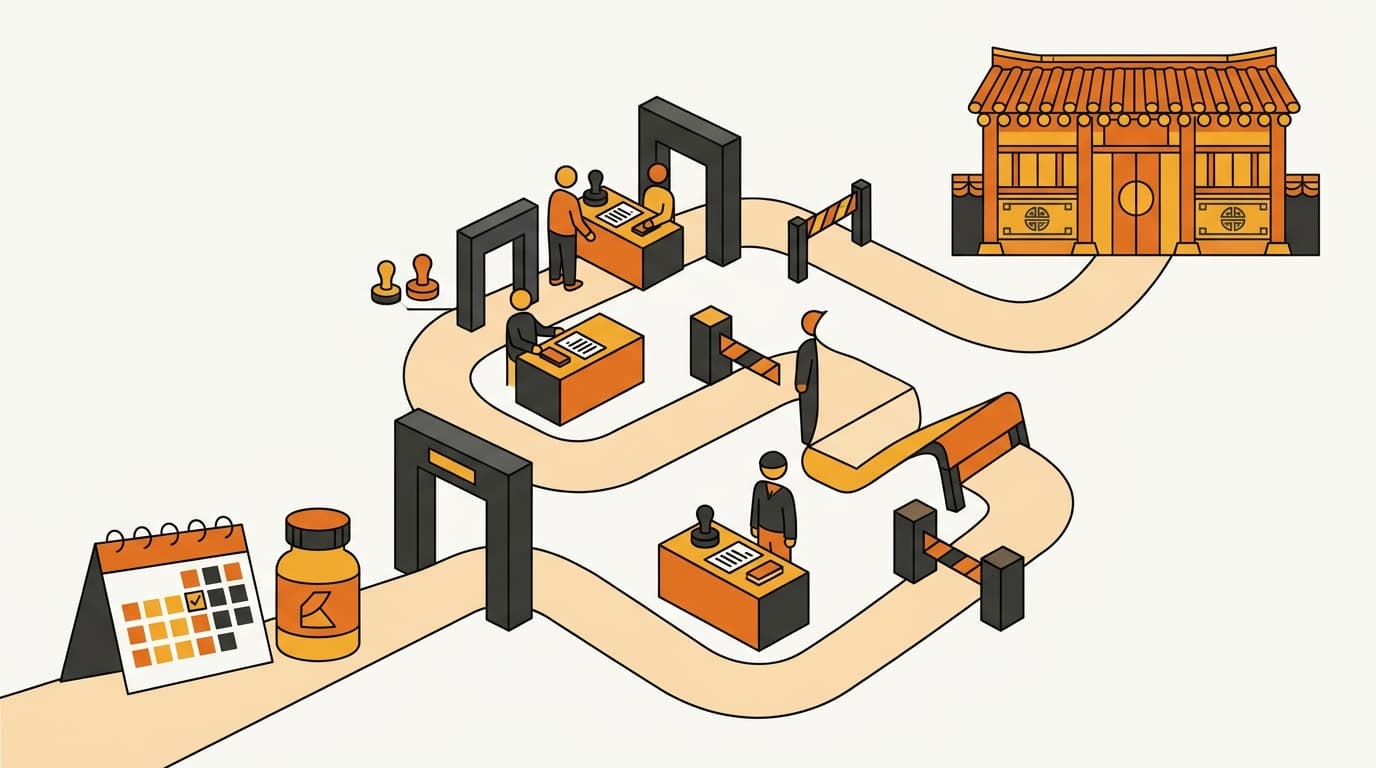
A Korean VAT number for a foreign company with no local office takes 1–2 months — but the number alone does not let you sell on Coupang or run ads.

Repatriating Korea sales revenue is mostly an upstream design problem — who imports, who sells on Coupang, and which entity holds the cash.

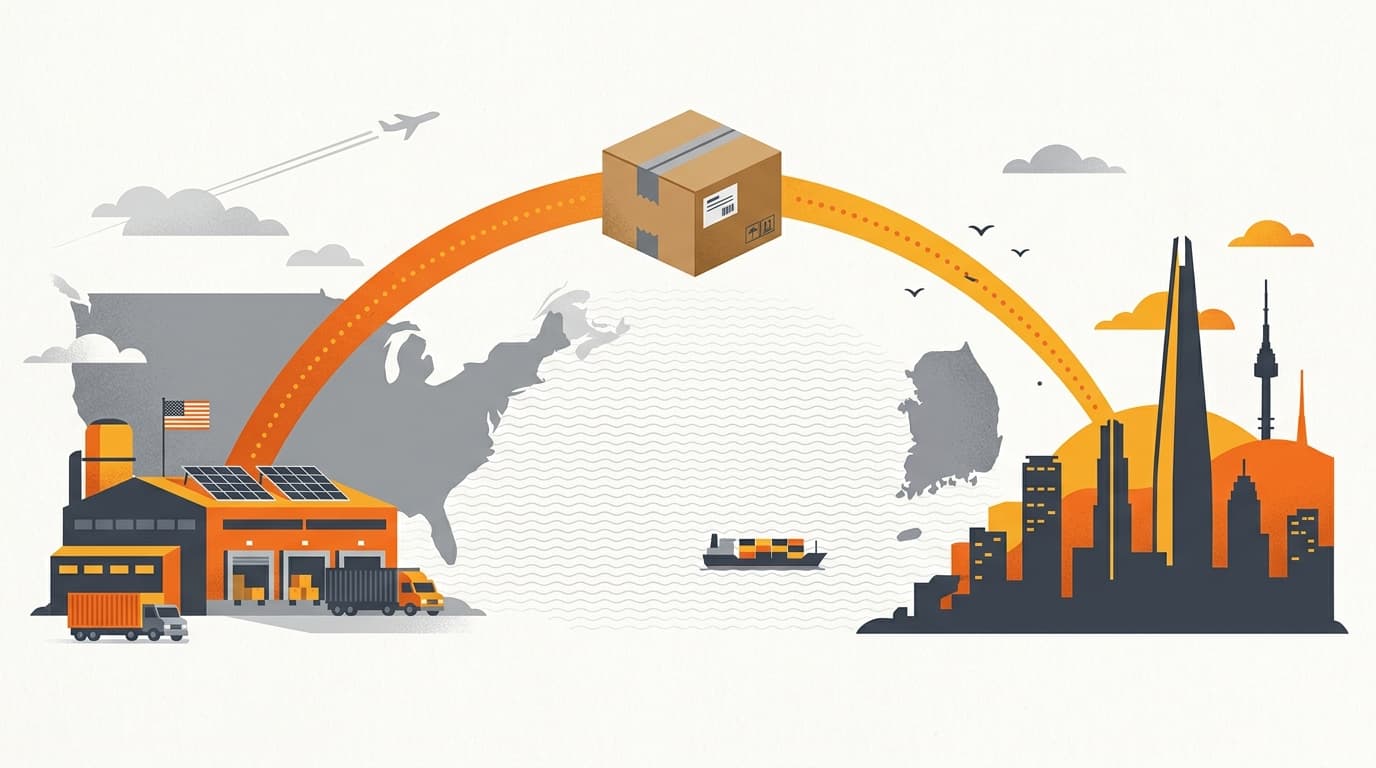
Shipping US to Korea takes 3–10 days express or 10–20 economy. Per-order freight runs USD 25–80, but KC, PDP, and channel access are the real gates.

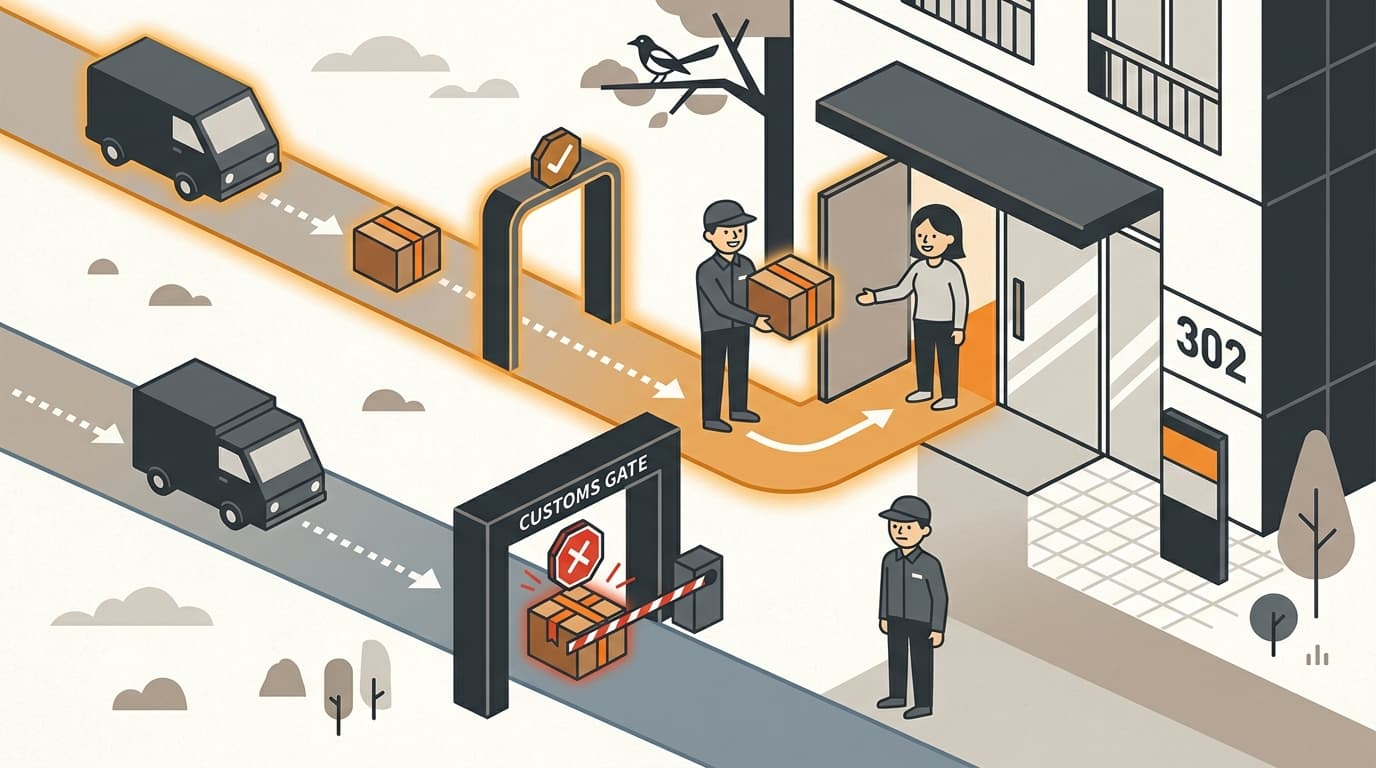
South Korea's de minimis is USD 150 per shipment for duty-free clearance — but the rule is narrower than most brands assume, and stops mattering once you go local.

For Korean B2C ecommerce, DDP almost always converts better than DAP — but the real decision is whether either cross-border incoterm still makes sense.

South Korea applies a flat 10% VAT and roughly 8% customs duty on imports — but the key decision is which entity files VAT and holds the Coupang account.

Once you cross roughly 100 monthly cross-border orders to Korea, local fulfillment is usually cheaper per unit — but only after IoR, KC, Coupang, and returns.

Choose a Korea import agent for fast Coupang access in 8–12 weeks. Choose a local entity for full brand control over 4–6 months. Which fits your stage?

For small supplement brands entering Korea, agency-vs-in-house is less about warehousing and more about HFF registration, Coupang setup, and PDP conversion.

A 500kg DDP shipment of home goods from Europe to Korea is only the first line of your landed cost. Customs, 10% VAT, KC certification, Coupang fees, and Rocket Growth all stack on top.

Korean tax offices are now rejecting limited company registrations with a non-resident CEO, virtual office, and 1M KRW capital. A May 2026 shift in entity setup.

US pet food to Korea typically stacks customs duty, 10% VAT, freight, APQA inspection, and Coupang fees. Here is the realistic breakdown.

A Korea 3PL decision for foreign consumer electronics brands is not just about warehousing — it stacks KC certification, Importer of Record, Coupang Rocket Growth, and Korean-language PDPs into one operating model.

For European skincare brands entering Korea, the best 3PL isn't about pick rates — it's Coupang Rocket Growth fit, MFDS-aware inbound, and a Korean PDP.

A 3PL for health supplements must handle HFF registration, import VAT, Coupang returns, and settlement—not just warehousing. These decide whether it pays back.

A US food brand searching for a 3PL in South Korea usually needs more than a warehouse. The hard parts are MFDS clearance, Coupang readiness, and a Korean PDP.

A small European brand needs a 3PL that handles more than warehousing. Coupang onboarding, KC compliance, and a Korean PDP are what actually drive sales.

Landing a pallet of US pet food in Korea DDP is not just freight. It stacks IoR duties, APQA feed registration, and Coupang readiness. The realistic breakdown.

3PL setup in South Korea for a small brand is a stack: IoR, customs, Coupang onboarding, and Rocket Growth fees. Here's the real line-item breakdown.

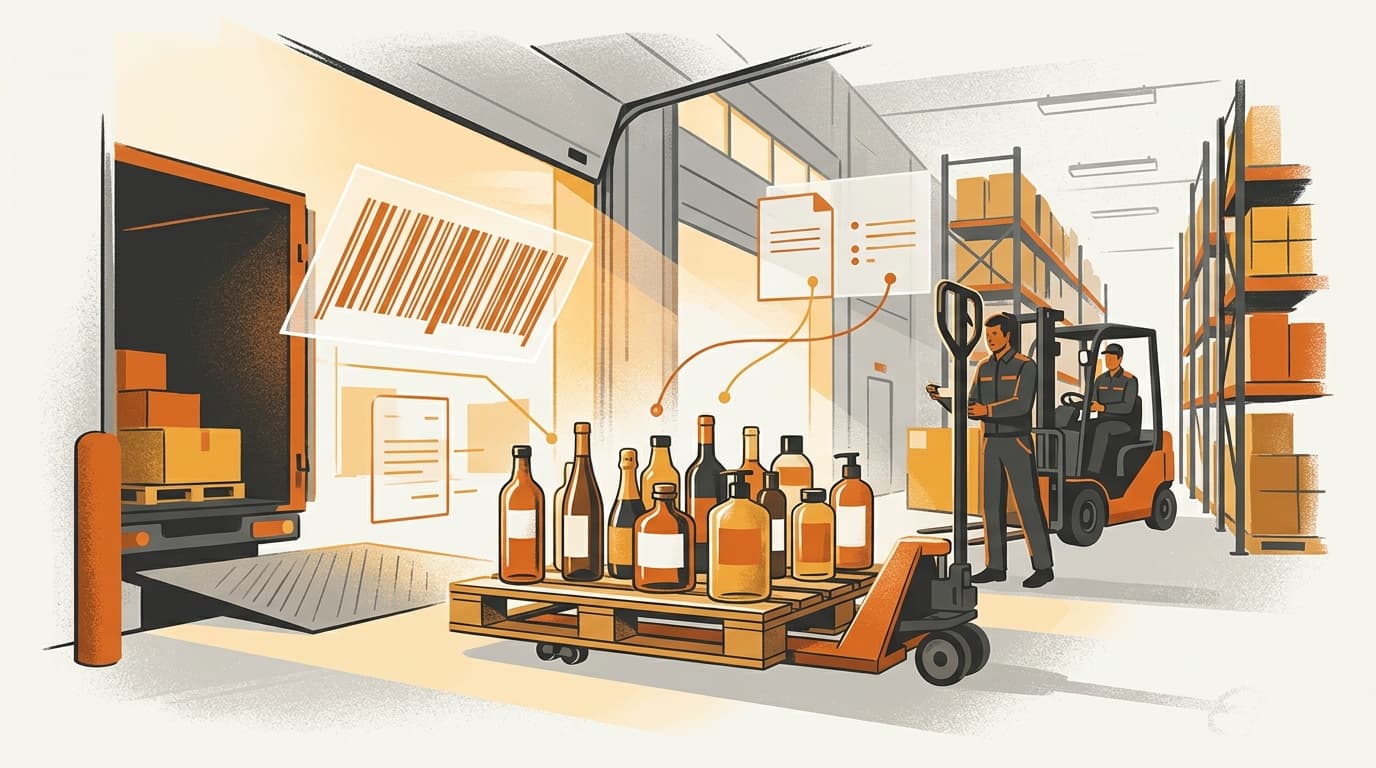
European cosmetics brands inbounding to a Korean 3PL usually stall on labeling, MFDS Functional review, or barcode mismatches — not freight. Here is what to fix.

A realistic Korea market entry timeline for a US food brand runs roughly 6 to 10 months from decision to first local shipment — here is what actually drives the calendar.

A realistic Coupang launch timeline for a European home goods brand runs roughly 4–7 months from KC scoping to first sale. Here is the sequence and the parts founders usually underestimate.

A practical 2024–2026 cost and compliance breakdown for foreign pet food brands entering Korea — covering cross-border vs. local, IoR, KC, feed registration, and Rocket Growth.

End-to-end budget for KC certification, freight, IoR, Coupang setup, and localized PDPs — line items most Korea entry guides leave out.

KCS certification in Korea uses a single government lab with no appeals. Pre-test against the exact Korean standard before applying — here is why it matters.

Korea cosmetics Importer of Record and Responsible Person are two separate services with different cost logic. Here is how to scope and price them.

Coupang's Q1 2026 trust shock slowed growth, but Naver SmartStore captured real volume. Foreign brands should plan a two-channel model from day one in 2026.

Three Coupang policy changes in 2025 — Rocket Growth return fees, a KRW 50,000 evidence threshold, and the CVR (쿠팡확인요청) burden of proof — reset the real margin math of selling on Rocket Growth.

A realistic Korea supplement entry timeline runs 5–8 months from application to first sale, covering HFF registration, Coupang onboarding, PDP, and Rocket Growth.

Opening a corporate bank account is where most foreign-owned Korean setups stall. New accounts default to a KRW 1.3M daily transfer limit — too low for real e-commerce.

Korea food import compliance agencies typically cover MFDS registration, customs, and labeling — but exclude Coupang setup, Korean PDPs, and customer service.

EU brands evaluating a Korea entry agency for KC certification, Coupang, and Rocket Growth fulfillment need to know what "bundled" actually means.

A practical guide for US consumer electronics brands choosing between IoR, distributor, or own-entity entry into Korea — with the details most guides skip.

A practical comparison: choosing a Korean market entry agency versus in-house operations for cosmetics brands. Covers entity setup, Coupang, Rocket Growth, MFDS.

Korea IoR fees for consumer electronics brands rarely show up as a single line item. Here is how to budget IoR, KC certification, Coupang fees, and operations.

Inventory, ads, platform fees, VAT — every Korea entry model puts these costs on the client. Here is exactly how funding flows under Spark, Flame, and Blaze.

Skincare brands entering Korea usually pick between an agency partner, an IoR-only setup, or a full local entity. Here is how the three models actually differ in practice.

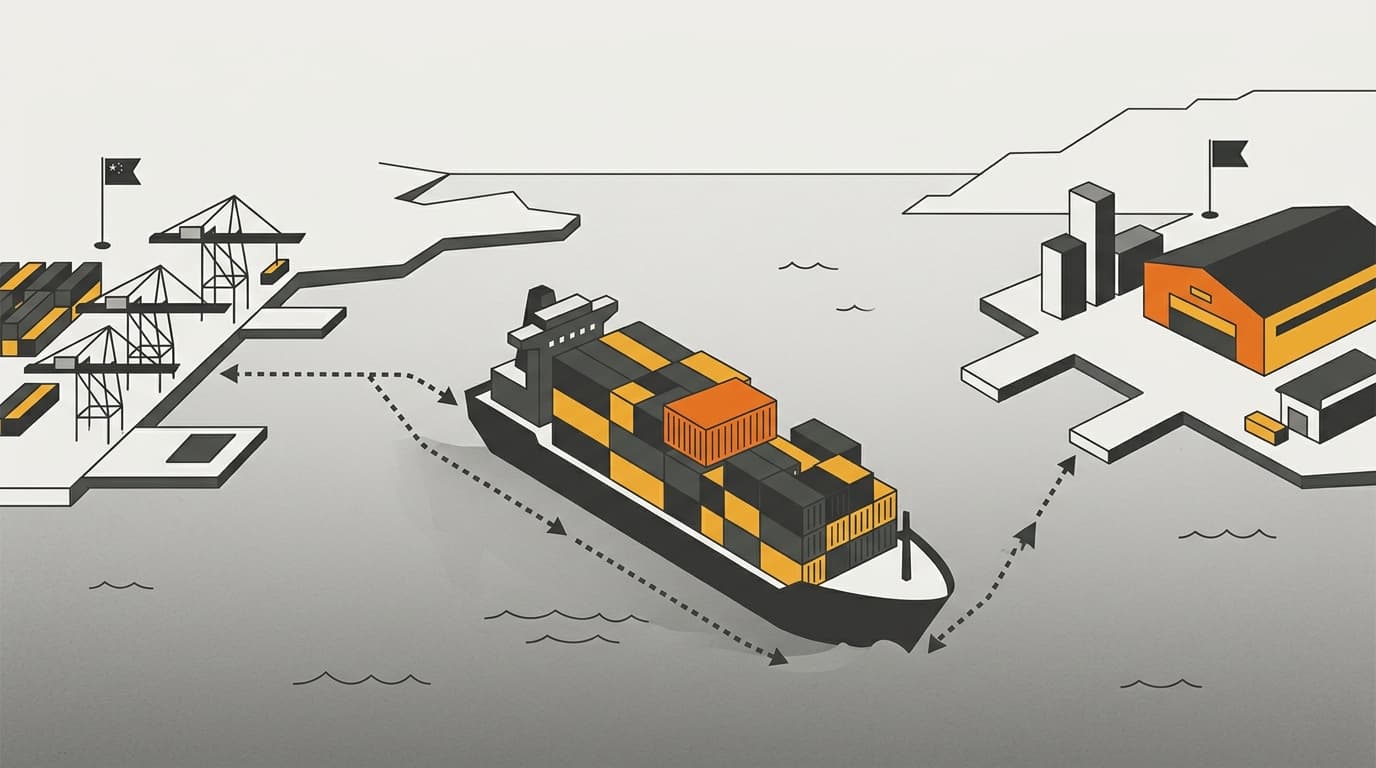
Coupang Direct LCL is a consolidated China-to-Korea ocean freight service for Rocket Growth sellers at USD 70 per CBM — below the typical LCL market.

If you have Korean customers buying cross-border, the question is which Korea market entry path fits — not which agency looks slickest.

Coupang pays sellers on the 20th business day of the following month by default — close to 60 calendar days. Compare monthly, weekly, and fast settlement.

When Coupang's automatic item matching merges listings, trademark holders may file police complaints. Foreign sellers without local representation cannot appear.

Switching to Coupang local fulfillment via IoR and Rocket Growth typically lowers per-unit margin 5–15% but lifts orders 8–10×. Here's the margin math.

Yes — to sell pet food locally on Coupang with Rocket delivery, you need a Korean Seller of Record. Here's how to choose between your own entity and a partner.

Mardi Mercredi spent years refusing Coupang to protect its brand image. Its 2026 listing reveals what K-fashion brands underestimate about scaling in Korea.

KC certification clears your product for Korea but doesn't make you a local Coupang seller. Here's how certification, entity, and Rocket Growth actually interact.

A cooking grill sold locally in Korea usually needs three separate certifications — electrical safety, EMC, and food-contact registration. Here is how each works.

Small European skincare brands can sell locally in Korea using an Importer of Record partner. No entity setup needed—here's how the process works in practice.

If your product is food, food-contact, or a hygiene item, Korea treats it as a licensed import category — not a regular one. Here's what registration actually involves, and how foreign brands typically handle it.

Foreign brands entering Korea often burn ad budget before their local operations are ready to convert it. Here is how we think about sequencing at Kontactic.

Korean ecommerce is not one market but several overlapping ones, each with its own high-engagement user base. Here is how we read that signal at Kontactic when helping foreign brands decide where to place their first bet.

Cross-border selling validates demand in Korea. Rocket Growth captures it. Here's how to decide which model fits where you are — and what foreign brands usually underestimate when they switch.
Forming a small Korean limited company as a non-resident foreigner used to be straightforward. Tax-office pushback, bank refusals, and tougher Coupang KYC have changed that — here is what the path actually looks like today.

USB- or battery-powered devices don't need KC electrical safety certification, but they do need EMC compliance. Here's how we determine when a foreign EMC test report can be reused for Korea's Declaration of Conformity.

Cross-border orders from Korean buyers often look small on paper, but they can be the clearest signal that your brand is ready for a much larger local ecommerce business.

Korean consumers actively seek out and pay premium prices for Western products — even through friction-heavy cross-border channels. Here's why, and what it means for your brand.

A step-by-step guide for Western brands looking to sell on Coupang — Korea's dominant e-commerce platform. Covers entity setup, Rocket Growth, compliance, and the three paths to market.

Understanding the Importer of Record requirement is essential for any foreign brand entering Korea. Learn what IoR means, why it matters, and how to handle it.

Book a discovery call with our team and get a personalized roadmap for your Korean market entry.
Or email us directly at contact@kontactic.com