
How to Sell on Coupang as a Foreign Brand: Complete Guide
Why Coupang Matters
Coupang is to Korea what Amazon is to the United States — but with deeper market dominance. With over 20 million active customers in a country of 52 million, Coupang is the default shopping destination for Korean consumers. If your brand isn't on Coupang, you're invisible to the majority of Korean online shoppers.
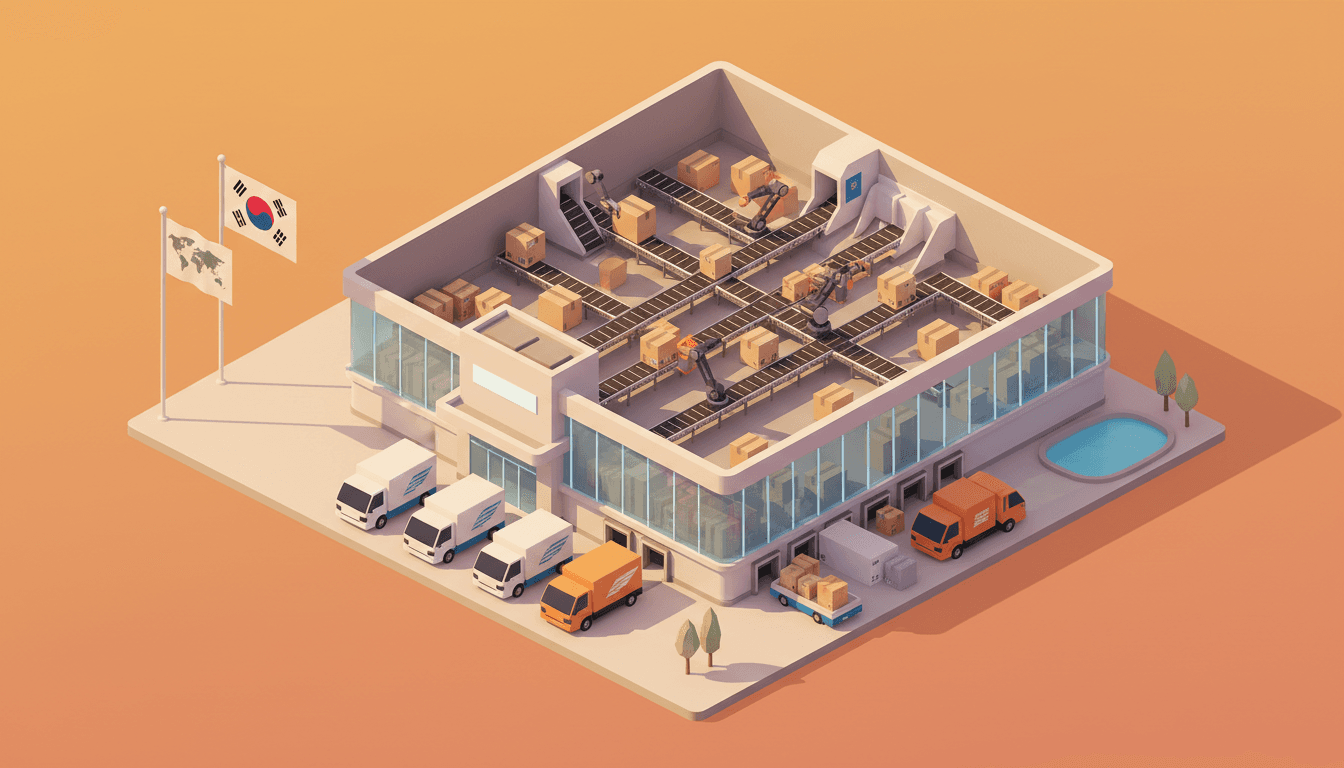
What sets Coupang apart is its logistics infrastructure. Rocket Delivery — Coupang's same-day and next-day delivery service — has reset consumer expectations across the country. Products fulfilled through Coupang's Rocket Growth program (their 3PL service for sellers) receive the Rocket Delivery badge, which dramatically increases conversion rates and search visibility.
“Coupang is not just another channel. For most brands, it becomes the operating system for local Korean demand once logistics, localization, and compliance are aligned.”
Isaac Lee — CEO & Founder, Kontactic
Three Paths to Selling on Coupang
Foreign brands have three main approaches to entering the Korean market through Coupang. Each involves different levels of commitment, control, and speed.
Path 1: Sell Under a Partner's Entity (Fastest)
The fastest way to start selling on Coupang is through a managed service provider that already has a Korean entity. Under this model, the service provider acts as both the Importer of Record (IoR) and Seller of Record (SoR), meaning your products are imported and sold under their Korean entity.
This is how Kontactic's Spark tier works. You ship inventory DDP to Korea, and Kontactic handles everything from import clearance to Coupang listing and order fulfillment — no Korean entity required. Timeline: 2-4 weeks to go live.
Advantages:
- No Korean entity setup required
- Go live in weeks, not months
- Minimal upfront investment
- Ideal for market validation
Considerations:
- You sell under the partner's entity
- Less direct control over marketplace operations
Path 2: Establish Your Own Korean Entity (Full Control)
For brands committed to long-term Korean market presence, establishing a dedicated Korean entity — typically a 유한회사 (limited company) — provides full ownership and control. Your entity becomes the Importer of Record and Seller of Record.
Kontactic's Flame and Blaze tiers follow this model. Kontactic sets up the entity under your ownership and operates it end-to-end. You own everything — the entity, all assets, all inventory, all marketplace accounts. Kontactic operates as your authorized agent.
What entity setup involves:
- Company registration with the Korean court
- Business registration with the National Tax Service
- Import/export license application
- Korean bank account opening
- Marketplace account registration
- Virtual office lease for registered address
Timeline: 6-10 weeks for full entity formation and infrastructure setup.

Path 3: Work with a Korean Distributor (Traditional)
Some brands choose to work with a Korean distributor who buys inventory and resells it. While this provides market access, it typically means giving up margin, brand control, and direct customer relationships.
Distributors take ownership of your inventory and set their own pricing, marketing strategy, and customer service standards. You lose visibility into your Korean business and control over your brand presentation. This is why Kontactic's model is fundamentally different — you always retain ownership and control.
Rocket Growth: The Fulfillment Key
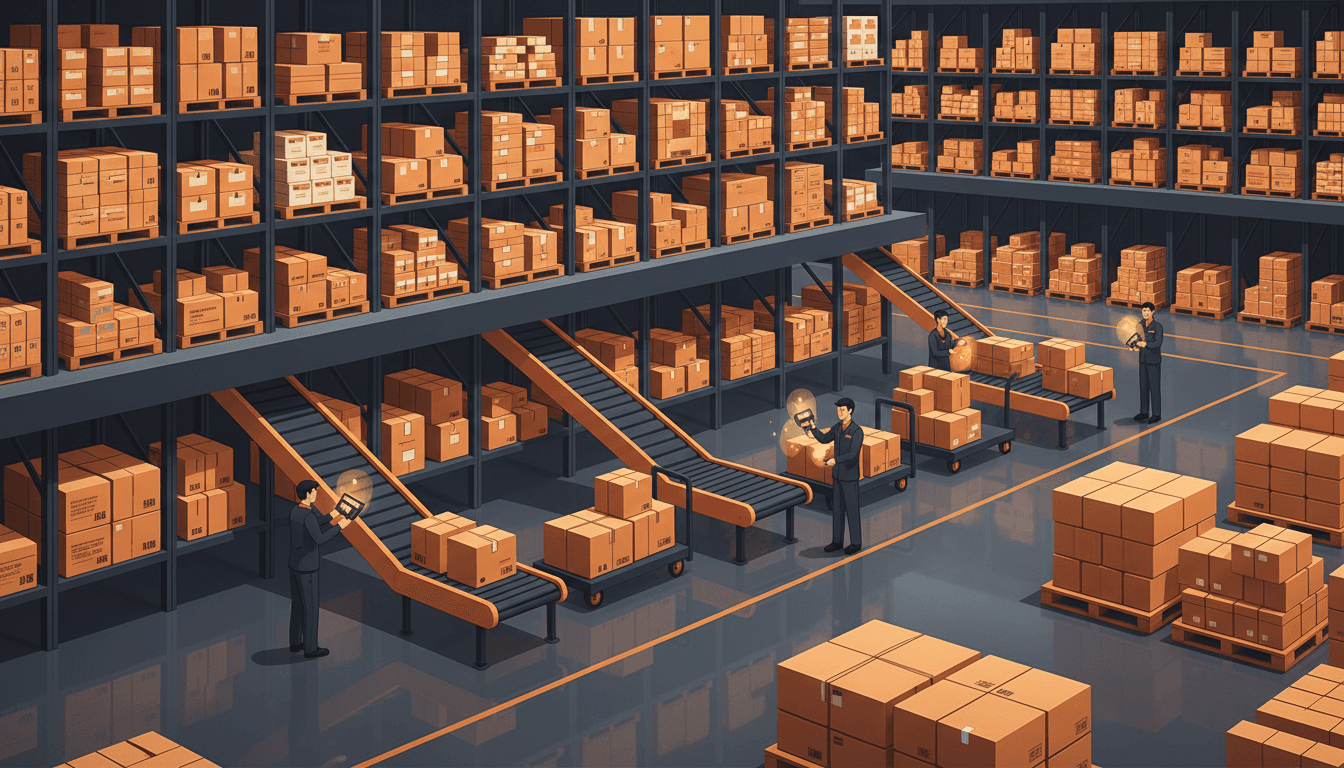
Regardless of which path you choose, getting your products into Coupang's Rocket Growth fulfillment program is critical. Rocket Growth is Coupang's 3PL service that stores your inventory in their warehouses and fulfills orders with Rocket Delivery speed.
The Rocket Growth advantage:
- Products receive the "Rocket Delivery" badge — a trust signal and conversion booster
- Same-day or next-day delivery to customers nationwide
- Coupang handles warehousing, picking, packing, and shipping
- Higher search ranking and increased visibility in Coupang's algorithm
- Customer returns processed by Coupang
How inventory flows:
- You ship products DDP (Delivered Duty Paid) to Korea
- Import clearance is handled by the IoR (your entity or your partner's entity)
- Products are received at a partner 3PL warehouse
- Periodic bulk inbound transfers are made from the 3PL to Coupang Rocket Growth warehouses
- Coupang fulfills orders directly from their warehouses
Rocket Growth changes the consumer experience from "international order" to "local purchase." That shift is why brands often see their first real step-function in conversion after inventory is stocked inside Korea.
Compliance Requirements
Korea has specific import and compliance requirements that vary by product category. Getting this right is essential — non-compliance can result in products being held at customs or rejected entirely.
Key Compliance Areas
Product Labeling: All products sold in Korea must have Korean-language labels. These labels must include product name, ingredients/materials, manufacturer, country of origin, usage instructions, and warnings — all in Korean.
KC Certification (KC 인증): Many product categories require KC safety certification before they can be sold in Korea. This is particularly relevant for electronics, children's products, and certain cosmetics.
KC certification requirements vary significantly by product category. Some categories require testing at Korean-accredited labs, which can take 4-8 weeks. Always research your specific category's requirements before shipping inventory to Korea.
Food & Health Products: Food and health supplement imports require additional documentation including ingredient declarations, nutrition facts verification, and in some cases, approval from the Ministry of Food and Drug Safety (MFDS).
Cosmetics: Cosmetics require registration with MFDS, including ingredient review. Certain ingredients that are permitted in other countries may be restricted or require additional testing in Korea.
“Most foreign brands do not fail in Korea because of demand. They fail because they underestimate how operationally local the business needs to feel from day one.”
Isaac Lee — CEO & Founder, Kontactic
Product Listing Optimization
Your product detail pages (PDPs) on Coupang need to be fully localized — not just translated. Korean consumers expect:
- Korean-native product titles optimized for Coupang's search algorithm
- Detailed product descriptions with specifications, usage instructions, and benefits written in natural Korean
- High-quality images including lifestyle shots, ingredient/material callouts, and size references
- Korean-language Q&A and review management
Direct translation of English product pages almost never works. Korean e-commerce copywriting has its own conventions, keyword patterns, and persuasion structures. Professional localization — not translation — is what drives conversion on Coupang.
Getting Started
The path you choose depends on your goals, timeline, and level of commitment:
- Want to test the market quickly? Start with a managed IoR/SoR service (like Kontactic's Spark) to validate demand with minimal risk.
- Ready to build a permanent Korean business? Establish your own entity with managed operations (like Kontactic's Flame or Blaze) for full ownership and control.
- Already selling cross-border? Your existing Korean orders are proof of demand — you're ready to go local.
If you're already seeing Korean orders through Amazon, iHerb, or your own DTC site, treat that as a validation signal. The next step is not more waiting. It's building the local operating layer that lets demand compound.
Ready to sell on Coupang?
Tell us about your brand and Korean market goals. We'll recommend the right path and build your launch roadmap.
Book a Discovery Call